Reviews by Jenny (69)

A retelling of the Odyssey

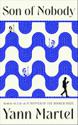
Son of Nobody

Yann Martel timed this retelling of the Odyssey really well given the recent Hollywood blockbuster release of the same. There is a new relevance in our war-troubled times. This is not an easy read and took some getting into. It starts with an academic abstract by a fictional historian who is piecing together an ancient Greek text for his PhD thesis. He presents a version of the Trojan war from the point of view of a common soldier, Psoas - son of nobody, rather that of the traditional heroes. Making it even more intimidating, each page is divided in two, with the top half telling the story in the style of epic verse, and the lower half presented as academic footnotes explaining the text, and also telling the academic's own war-like story of a difficult marriage. I came very close to giving up.... But within 50 pages I was completely entranced and could not put it down. The story of the war unfolds with plenty of gore and timeless Greek philosophy, enriched by the 'commoner as cannon fodder' perspective. The parallel footnote story of the academic's personal struggles adds a modern emotional resonance so that the 2 echo and enhance one another. An exciting and rewarding read that I can highly recommend - I was helped a lot in understanding it by the author interview I will put a link to in the links section on this book.
Distressing and illuminating

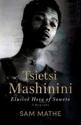
Tsietsi Mashinini

This is a wonderful piece of journalism. Sam Mahe has told the story of June 16 '76 without sentimentality or drama and in an unbiased and balanced way. But it still arrives like a punch to the solar plexus. The first 3 chapters that set the scene for the dreadful day, are a bit info-heavy and loaded with unpronounceable names. Bishop Tutu's letter to the government warning of coming trouble was the best part here. But Chapter 4 and some of what follows gave me new insight into our shameful past, and empathy with how the families of the children suffered. Mashinini was one of the 'struggle heroes' we lost who could have made a valuable contribution to what followed. He undoubtedly had the makings of an insightful and charismatic leader. I am pleased to have learnt about him, and to have a more complete understanding of that day than just the drama and headlines. An important and enlightening read that I highly recommend, even if you skim most of it and only really read Chapter 4.

Compelling characters

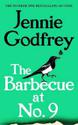
The Barbecue at No. 9

The author put my back up within the first 10 pages by 'borrowing' from Kris Kristofferson’s ‘Me and Bobby McGee’ without acknowledgements - feeling... as faded as my jeans - and that and some grammar mistakes made me reluctant to continue. But I was pleased that I did as her characters are believable and cleverly developed and the story is engaging and ultimately satisfying. Well worth the read.

Phenomenal writing

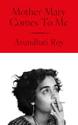
Mother Mary

I loved this memoir of Roy's family in India, which is sensitively portrayed in beautiful prose. It reveals her complicated relationship with her mother with courageous honesty and empathy, highlighting the 'mother wounds' we all seem to carry. Arundhati is an awe-inspiring woman who is uncompromising in her political activism and feminist ideals. I wonder is this might be because she never learnt to seek approval from anyone especially not her mother. I also enjoyed learning about the architect Laurie Baker who designed Mrs Roy's school and many other socially responsible and sustainable projects in India.

Difficult but rewarding read

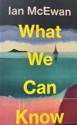
What We Can Know

The narrator of the first half of the story is an academic in 2119 who is left in what remains of Britain after cataclysmic climate and political upheavals. He is researching a love poem written in 2014 that is now lost. This is Ian McEwan as his most obscure - it is difficult as well as uncomfortable reading. The second half is much easier. Here the narrator is the women the poem was written for and is set back in our current times. Here he brings all the confusing threads of the narrative together to a convincing conclusion. 'What we can know' highlights what we cannot know.

1 2 ... 14